

 By Brianne Goertzen
The overhaul of Manitoba’s health care system has been met with repeated calls to slow down from those on the front lines of care. The consistent and persistent stories from patients and front line workers alike detailing chaos and upheaval within the health care system are numerous.
However, the province is going full steam ahead with their overhaul and is paying little attention to the concerns of workers and Manitobans alike. The overhaul and newly introduced legislation will continue to erode and worsen health services we all rely on.
Recently, the head of the Winnipeg Regional Health Authority, Réal Cloutier, emailed a letter to 28,000 staff in an attempt to alleviate concerns and the increasingly low morale plaguing the staff of health facilities. He recognized the decreased morale and general depressed state of health care workers but told them to hang on and that they were experiencing a common feeling dubbed in change management as the, ‘Valley of Despair’.
The ‘Valley of Despair’ refers to the low point people go through when experiencing major workplace changes. They often feel depressed and a loss of control. Réal Cloutier was attempting to alleviate fears and boost morale by assuring them that they would eventually pass through the valley – that hope was on the other side.
On the surface, the letter at least finally acknowledges how staff is feeling, but it does nothing to address the real concerns expressed by a number of health care workers across the province. From overworked neonatal nurses at St.Boniface Hospital, to increases in mandatory overtime, to low levels of staffing, the sudden closure of the Family Medical Centre, closure of the maternity ward in Flin Flon, and impending closures of more ERs: the experiences of those caring for our sick, ill and injured must be taken seriously. Those on the front line know what is and is not working, but despite continued requests to be consulted about changes, they are ignored. Instead they receive Cloutier’s letter, which diminishes their years of experience and ignores their urgent request to slow down on the health care overhaul.
The ‘Valley of Despair’ will undoubtedly widen with the recent introduction of Bill 10. This legislation would amend the Regional Health Authorities Act, to become the Health System Governance and Accountability Act. Contained within this legislation is the creation of ‘Shared Health’ governance. Imagine a pyramid with the Minister of Health Cameron Friesen at the top, followed by ‘Shared Health’ then the regional health authorities and CancerCare Manitoba. Addictions Foundation of Manitoba will be absorbed by Shared Health. The shifts in responsibilities and oversight under this new piece of legislation will impact all stakeholders in the health care system. The consequences of this legislation will be far-reaching, including paving the way forward for a new super agency and a ‘one size fits all’ model of health care service delivery.
We only need to look to Nova Scotia who in 2015 went straight to a ‘super agency’. The change resulted in a number of detrimental consequents to the delivery of care. The inadequate financial resources, the clumsy handling of the amalgamation, and the failure of the one size fits all model has led to negative consequences for Nova Scotians’ access to quality care. A ‘one size fits all’ model is not responsive enough to adapt to changing needs and demands in a given region in a province. For example, currently ER’s in Nova Scotia are issuing pink letters to patients who will not be seen by a doctor in the operational hours of some ERs. The letter details the fact they will not be able to see a doctor today because they have been assessed at a level that is low and they are to come back later. The inability to staff local hospitals in Nova Scotia is chronic with unexpected closures of ERs and the inability of existing staff to take time off. Some groups contend that the new model of health care is leading to higher levels of political interference in the operation of the health care system. The fact that Manitoba is headed down this road is scary and can seriously compromise quality of care. We should be asking is this really the road we should head down? We think not.
If this government is keen on improving health care then why rush through another major change in the administration of health care in this province. Are the political points worth the impact to our delivery of quality, considerate, access to universal Medicare? If this government continues to ignore the continued calls to slow down from our frontline workers, the valley of despair will undoubtedly persist.
Brianne Goertzen is the Provincial Director of the non-partisan Manitoba Health Coalition and a Canadian Centre for Policy Alternatives – Manitoba steering committee member. She serves as a school trustee for Ward 3, River East Transcona School Division.
By Lynne Fernandez
The City of Winnipeg budget is always affected by the provincial budget, but this year Mayor Bowman did his best to reverse that situation. Before, during and after the release of the city’s budget, the mayor lobbied hard to explain the injustices of the premier’s position, and to put his stamp on the provincial budget.
By Robyn Maynard
It is not too soon to express the view that the police killing of Machuar Madut, 43 year old father of three, living with mental health issues, and facing possible eviction – was unjustifiable and unnecessary.
I am unwilling to entertain the notion that Machuar Madut’s death was sad but inevitable. Regardless of the conditions that led to this incident, killing a black man in crisis simply cannot part of what it means to “contain the scene” (the words of a mental health expert interviewed in CBC news).
A recent Ontario Human Rights Commission interim report on racial discrimination by the Toronto police services – found, to much publicity, that black people make up 70 percent of police shootings resulting in civilian death. Less discussed, however, was that the study also showed that black victims of police shootings were less likely to have been carrying weapons, less likely to have threatened and attacked police and fifty percent less likely to have been carrying a gun during the encounter. What this tells us is that not all people need to be killed in order “to contain the scene”. In fact, only some deaths – black deaths – become cast as unpreventable: white men, even those armed with guns – continue, at far higher rates, to be kept alive when they encounter the police, despite being more frequently armed and violent. The ability to keep one’s life while in crisis is a courtesy and a privilege of whiteness, and a basic form of human dignity that black people continue to be denied.
Notice of new address: April 1, 2019
The Canadian Centre for Policy Alternatives
Manitoba (CCPA-MB) is moving.
Please make changes to your mailing/
contact info in your systems.Old address is:
205 – 765 Main St.
Winnipeg, MB
R2W 3N5
Our New Address will be:
301 – 583 Ellice Ave.
Winnipeg, MB
R3B 1Z7
Our phone and emails will remain the same:
204-927-3200
ccpamb@policyalternatives.ca
Office space for rent!
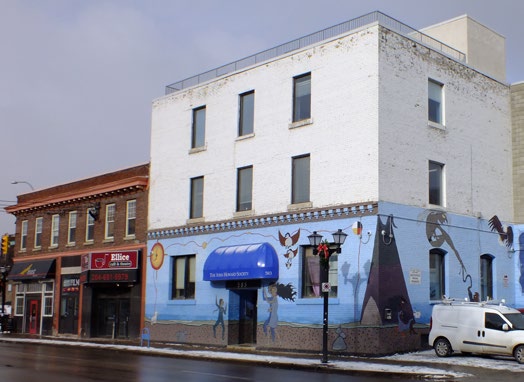
In our new location at the John Howard Society Office Buidling,
583 Ellice Ave. we are renting out one of our offices:
• Office size: 200 sq ft.
• Large 3’x5’ east-facing window
• Shared kitchen space with CCPA staff
• Newly painted
• Parking space
• Central location
• Elevator/accessible
• Cost: $400 a month (all utilities, cleaning, 1 parking spot included)
contact: ccpamb@policyalternatives.ca 204-927-3200 Available April 1, 2019

By Molly McCracken
School trustees are consulting with parents and stakeholders for this upcoming year’s school budgets while they seem to be under attack by the provincial government. Education Minister Goertzen had heated exchange with Winnipeg school trustees on twitter earlier this month regarding education funding and taxes.
Buckle up. With the province’s recently announced review of public education, it seems much of the K- 12 system is up in the air. This will be an important conversation; we all want the best for Manitoba children. Education is the cornerstone of healthy, safe communities and of democracy.
By Lynne Fernandez
First published in the Winnipeg Free Press February 19, 2019
It’s been obvious since his election that Premier Pallister is committed to austerity. His government is cutting public services and staff, reducing funding to municipalities and obsessing over deficit reduction, ostensibly to deal with what he labels as a financial crisis. At the same time he is oddly insistent on cutting revenues by reducing the PST by one per cent.
First published in the Winnipeg Free Press February 13, 2019
A new report by CCPA National (Developmental Milestones: Child Care fees in Canada’s Big Cities) on childcare fees contains very mixed reviews of Manitoba and raises important questions about public policy. A closer look complicates the congratulatory confidence that Manitoba’s fees are among the lowest in Canada (“City second in daycare affordability,” Winnipeg Free Press, February 8).
By Hannah Muhajarine
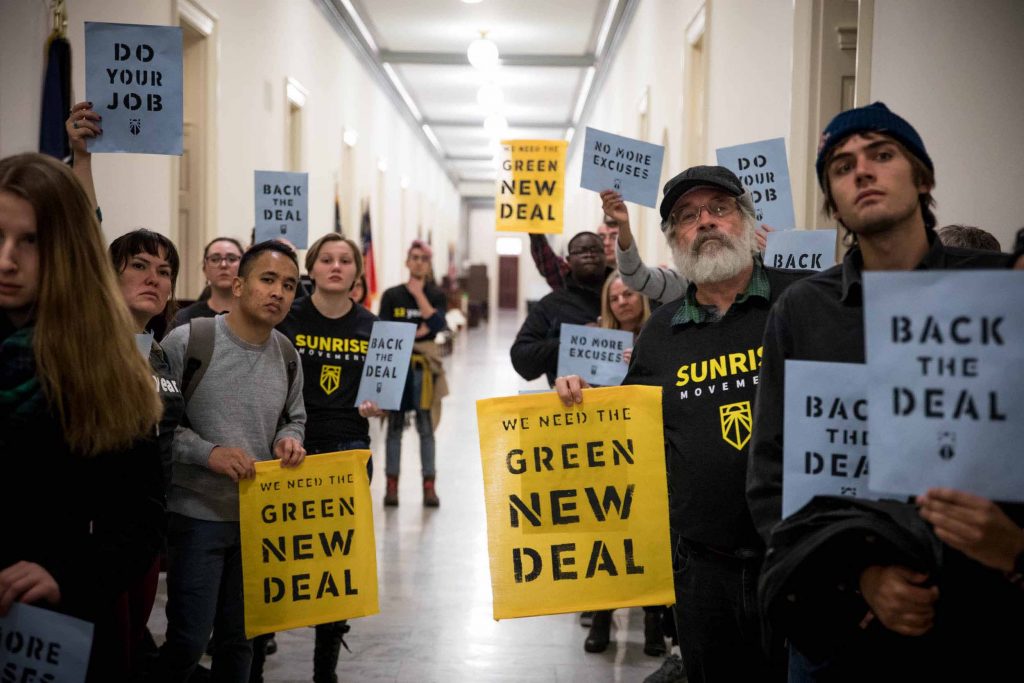
First it was 44 million, then 66 million and now 78 million tonnes of C02: every year Environment Canada increases the amount by which Canada is projected to miss its Paris Agreement target [i]. “Transitions to a cleaner future are hard,” said Environment Minister Catherine McKenna in a press conference last December [ii]. If Minister McKenna is in need of guidance, I would respectfully direct her southwards, to newly elected Congresswoman Alexandria Ocasio-Cortez’s Green New Deal—the legislation of which was just released Thursday February 7, 2019.

By Brianne Goertzen
First published in the Winnipeg Free Press, February 2, 2019
When it comes to evaluating the “value for money” in air ambulance services, the safety of patients and staff should be a key factor.
When the operators of the air ambulance are private companies, though, the bottom line is profit.
Jim Silver and Lynne Fernandez published this article in the International Center for Trade Union Rights Journal.


Follow us!